
Termite Control Services Near You
Licensed pest control technicians serving homes and businesses nationwide. Same-day service available in most areas.
Signs You Have a Termite Infestation
Mud Tubes on Walls
You see thin dirt tunnels on walls, foundation edges, crawl spaces, or baseboards.
Wood Sounds Hollow
Wood sounds empty, feels soft, or breaks apart more easily than it should.
Clicking in the Walls
You can hear faint clicking, tapping, or rustling sounds coming from walls or wood.
Tiny Wood Pellets
You see small wood-colored pellets near baseboards, floors, or wooden furniture.
How to Recognize Termites?
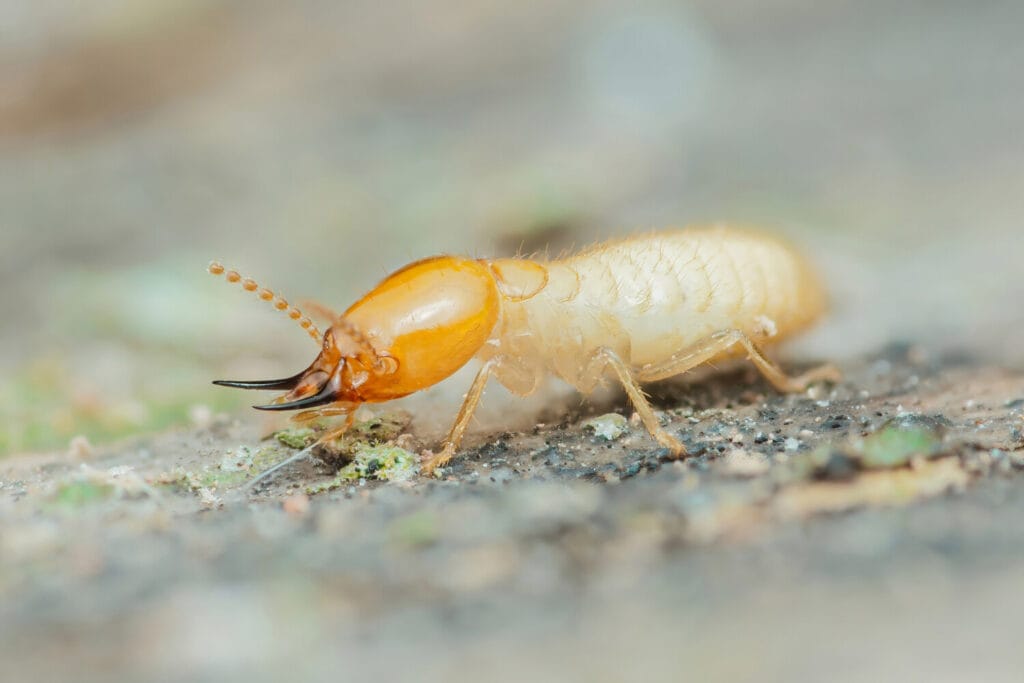
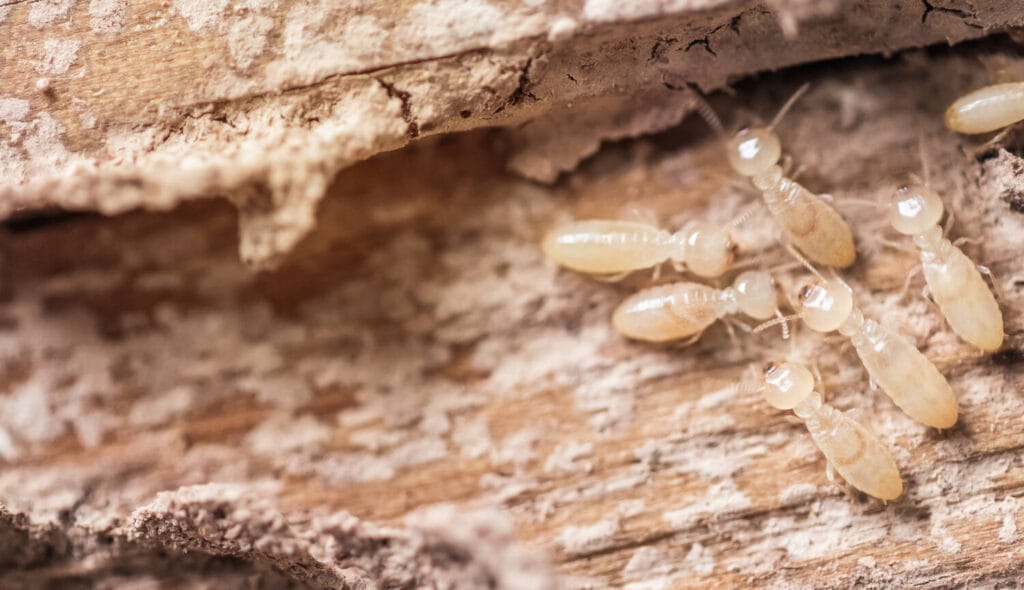
Termites are small insects, usually around 1/4 to 1/2 inch long, depending on the type. A termite has 6 legs, straight antennae, and a soft body. Some termites have wings for a short time when they swarm. Termites don’t carry disease, and termites don’t usually bite or sting people, but they can damage wood, walls, floors, and other parts of your home. You can find termites year-round, especially around wood, soil, moisture, crawl spaces, and foundation areas.
Termites Prevention Tips
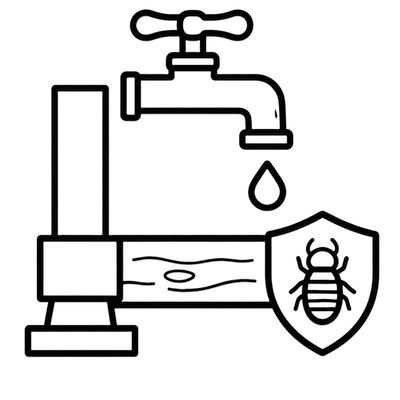
Fix water leaks
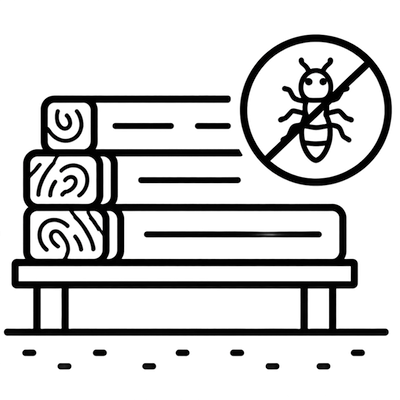
Keep wood off the soil
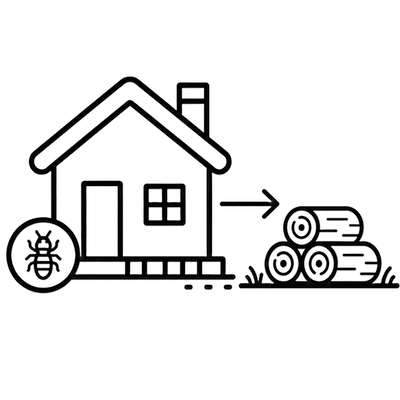
Move firewood away
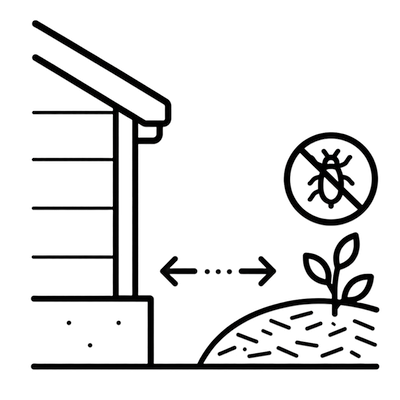
Clear mulch back
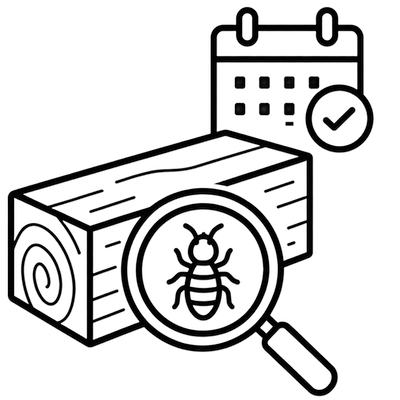
Inspect wood yearly
Why PestControlUSA
Get Termite Control Service Now
Nobody wants to “wait and see” with termites. If you’ve found mud tubes, hollow wood, tiny pellets, or clicking sounds in the walls, it’s time to deal with it properly.
We’ll get a local termite professional to you the same day you call in most areas, so you can stop the problem before more damage is done.

Termite Extermination Process
Termite extermination usually starts with a full inspection of the foundation, crawl spaces, baseboards, wood trim, wall areas, and nearby moisture spots. Once we find where the termites are coming from, we treat the affected areas and tell you what needs to be moved, cleared, or checked before and after the visit.
Most jobs also need follow-up or monitoring, because termite colonies can stay hidden underground or inside wood. The goal is to hit the source, not just the damage you can see.
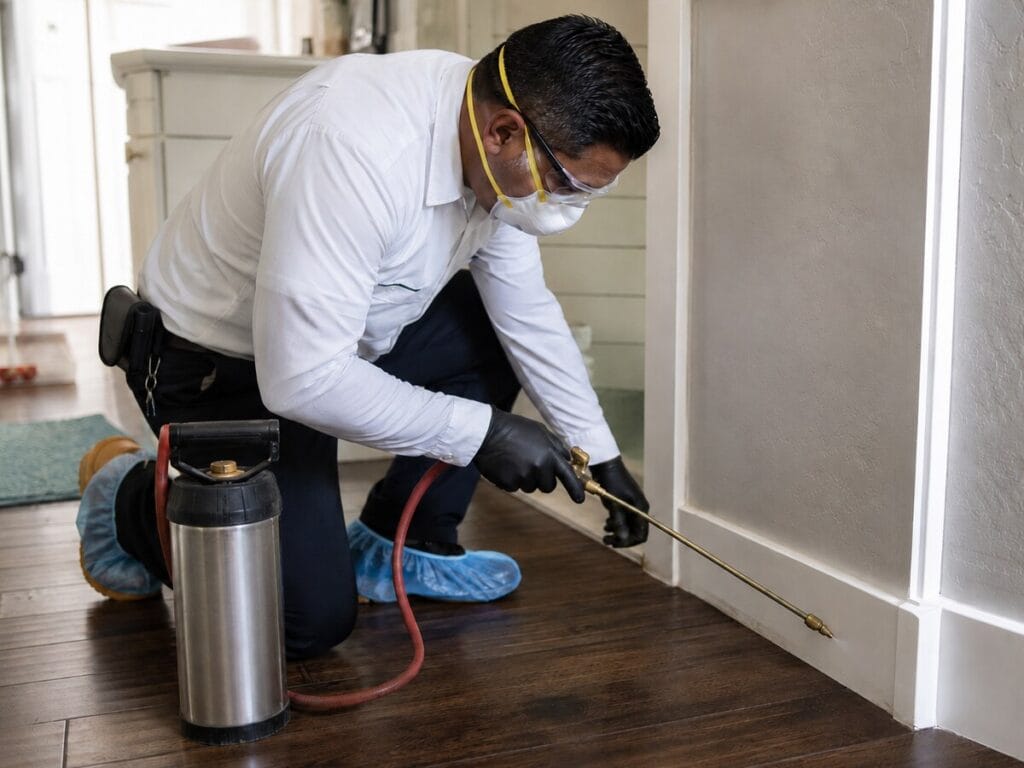
Termite Extermination Chemicals
Professional termite treatments use EPA-registered products made for termite control. Depending on the situation, the technician may use liquid treatments, foam treatments, wood treatments, bait stations, or products designed to keep working after the first visit.
These products are used around common termite areas like soil, foundations, crawl spaces, wall voids, damaged wood, and termite paths. The exact treatment depends on the termite type, the home, and what’s safe for the property.
Termite Extermination Success Rate
A fair success range for professional termite control is usually around 85% to 95% or higher when the inspection, treatment, and follow-up are done properly.
No honest company should promise instant magic, because termites can live underground, move through hidden wood, and stay active behind walls before you notice the damage.
DIY vs Professional Termite Control
DIY termite control can help with small steps like fixing leaks, reducing moisture, moving firewood away from the house, and keeping wood away from soil. The problem is that termites often live underground, inside wood, or behind walls, so store-bought products often don’t reach the real source.
A professional treatment gives you a proper inspection, stronger tools, safer product use, and follow-up care if the infestation isn’t fully removed.
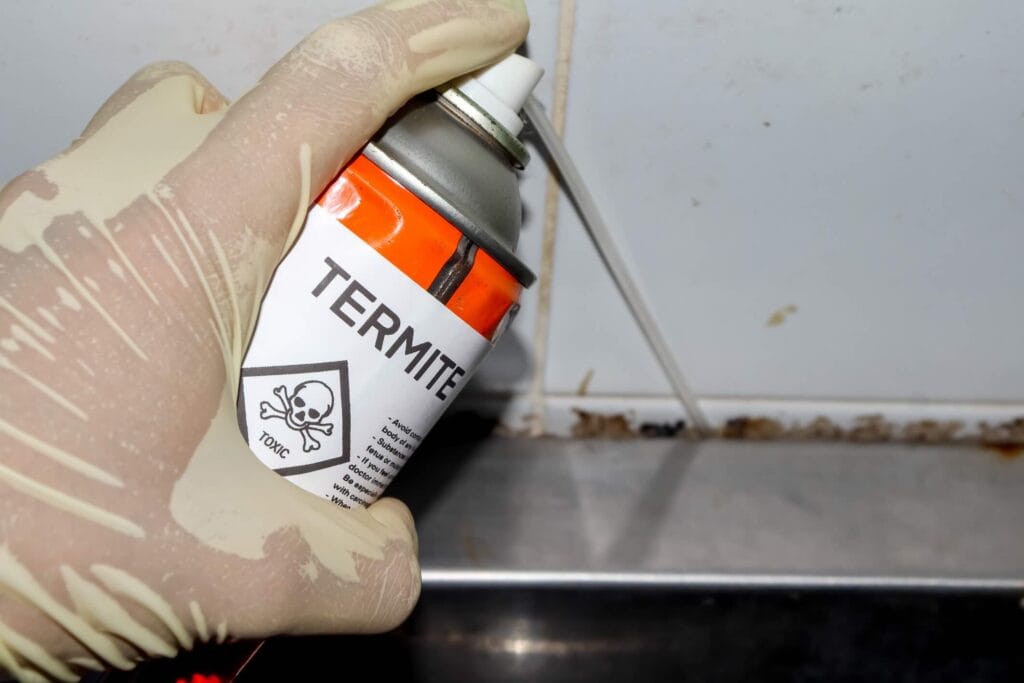
Why Termite Problems Get Worse the Longer You Wait
Termites don’t just chew one neat little spot. The longer you wait, the more time termites have to move through wood, walls, floors, baseboards, crawl spaces, and other parts of the home.
A small sign like a mud tube, soft trim, or hollow wood can turn into a much bigger repair once the colony keeps feeding. Acting early usually means less damage, less stress, and a better chance of getting control faster.
Termite Extermination Prices
Termite extermination prices in the USA usually range from about $300 to $1,500 for a smaller issue or spot treatment. Larger homes, active colonies, bait systems, liquid barrier treatments, or heavy infestations can push the cost closer to $1,500 to $3,000 or more.
The real price depends on the size of the home, how bad the problem is, the termite type, and the treatment method used.
How it Works
Three Steps to a Pest-Free Home
Most people call us when they’ve already tried fixing it themselves. We get it. Here’s what happens when you reach out to us.
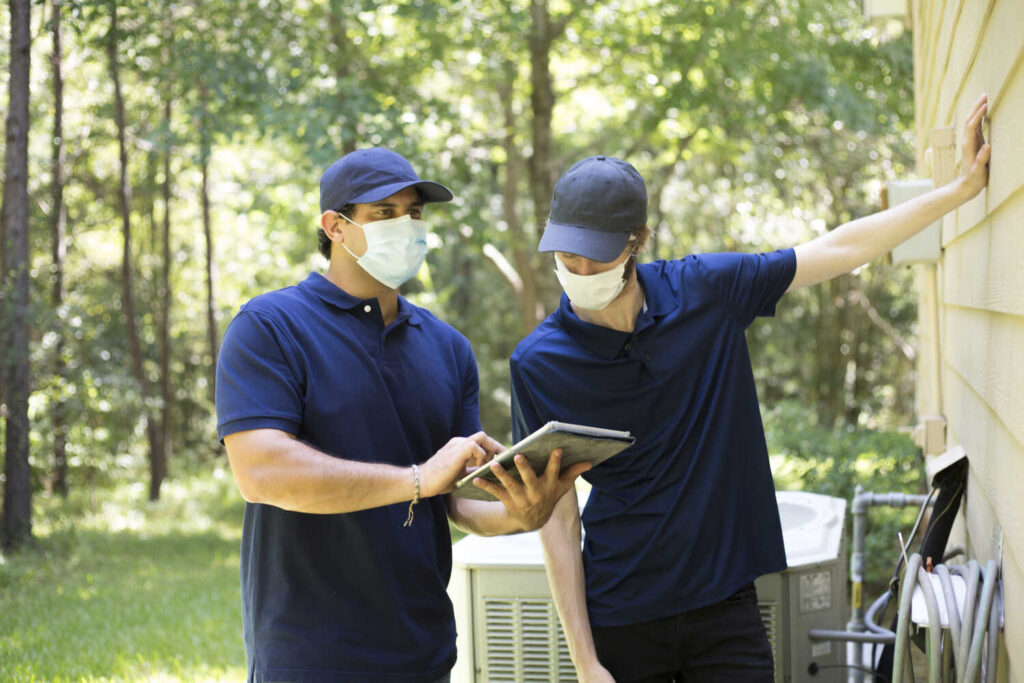
Find Your Location
Call us or fill in the form and we’ll get a local technician near you. We serve plenty of locations.
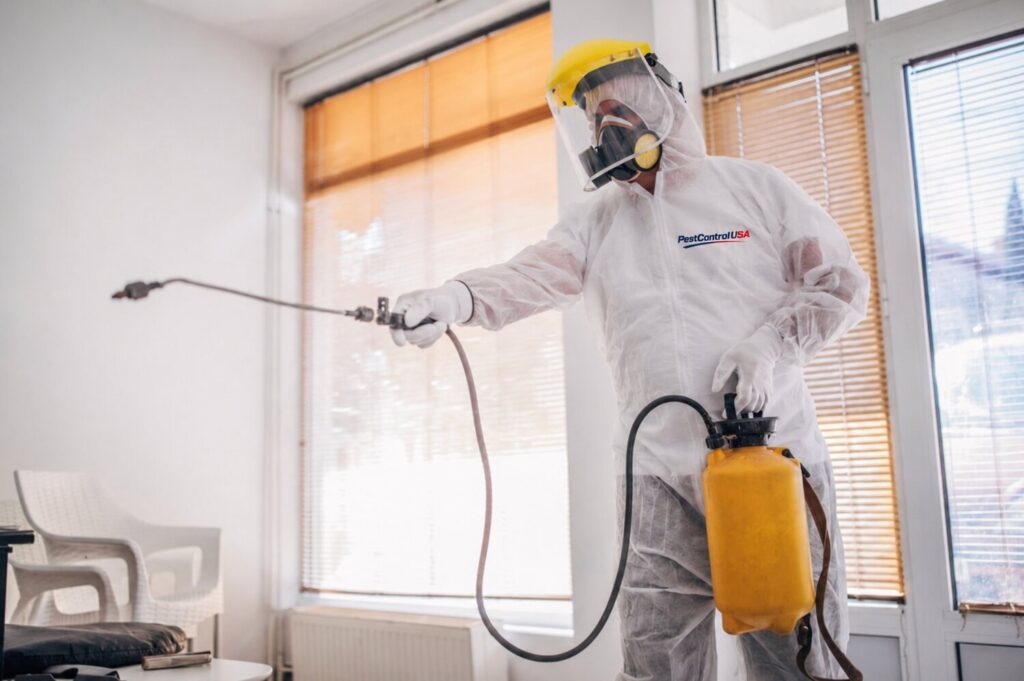
Book a Service
We’ll lock in a time that works for you. We provide same-day appointments in most areas.

Problem Solved
A licensed technician comes to you, treats the problem at the source, and walks you through what to do next.
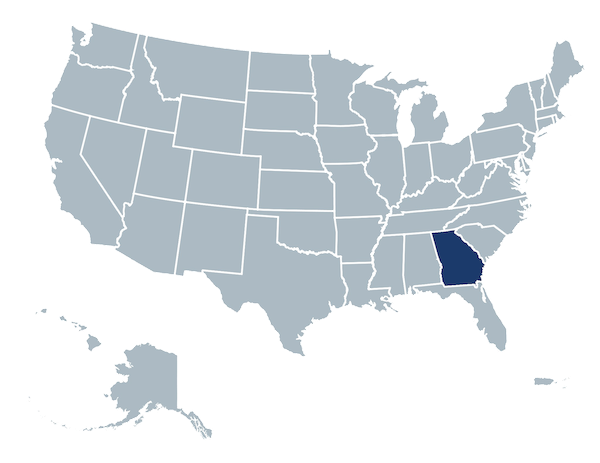
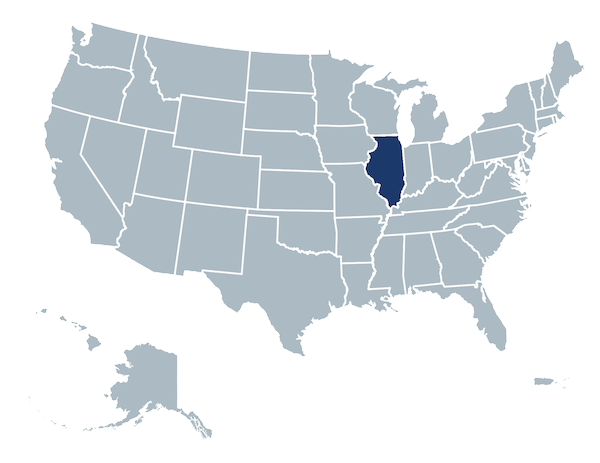
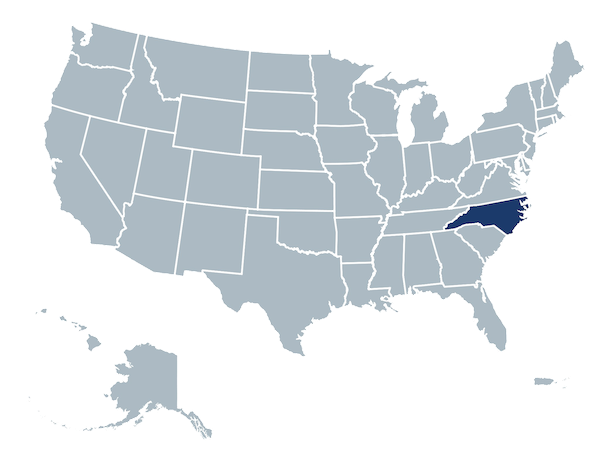
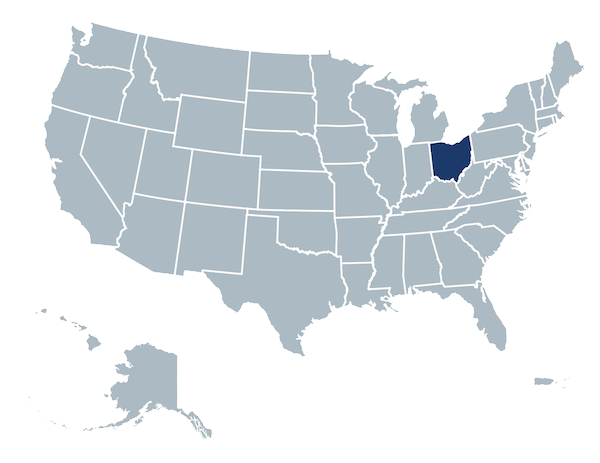
Find a Termite Exterminator Near You





Frequently Asked Questions
Contact Us
Any Questions?
Fill in the form and we’ll get back to you quickly.